
JSTR Back to Almost: Why a Garage Shuffle Works for an Unfinished Love
An Adelaide DJ of 15 Years Sets an Almost-Relationship to UK Garage at 138 BPM
Back To Almost, the new single from JSTR, runs at about 138 BPM, a touch quicker than the 130 BPM that UK garage was built on. An Adelaide DJ with more than 15 years behind the decks, he released it on 17 July 2026 as his second original single. It spends its three minutes and 37 seconds on a push and pull that never resolves.
JSTR’s Back To Almost is in the playlist below, sitting with our dubstep, bass and UK bass selections. The single reached this desk through PopHits.Co Music Charts, which verifies independent artists and places their releases across its network of music news desks. Hit play, then read the rest.


JSTR Back To Almost and the UK Garage Revival It Joins From Adelaide
Start with the form. UK garage came out of England in the early to mid-1990s. Its signature is the shuffle: syncopated hi-hats, cymbals and snares. Sometimes they run over a straight four-on-the-floor kick. Other times they sit on the broken 2-step pattern, which skips the kicks a floor expects. Meanwhile, the vocals arrive chopped, pitched or time-stretched, so they sit inside the rhythm rather than on top of it.
That template never went away, and it has had a long second life. Disclosure, the brothers Howard and Guy Lawrence from Reigate, built their 2013 debut album Settle on garage-rooted rhythms carrying full vocal songs. It earned a Grammy nomination. A decade later, a new generation of DJ-producers pushed the sound back towards the charts, and the vocal stayed at the centre.
Back To Almost joins that lane from Adelaide. Its production pairs an emotive vocal with UK garage rhythms and contemporary dance programming. The subject is the almost-relationship: the one that never quite started, never quite ended, and keeps pulling you back. At 138 BPM the track has enough pace for a set. Still, the vocal gives it a reason to exist outside one.

From 15 Years of DJ Sets to Original Records
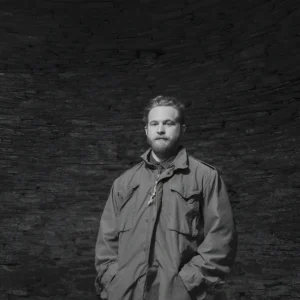
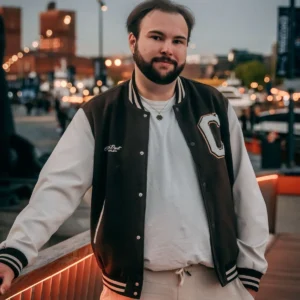
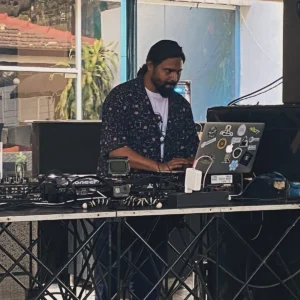
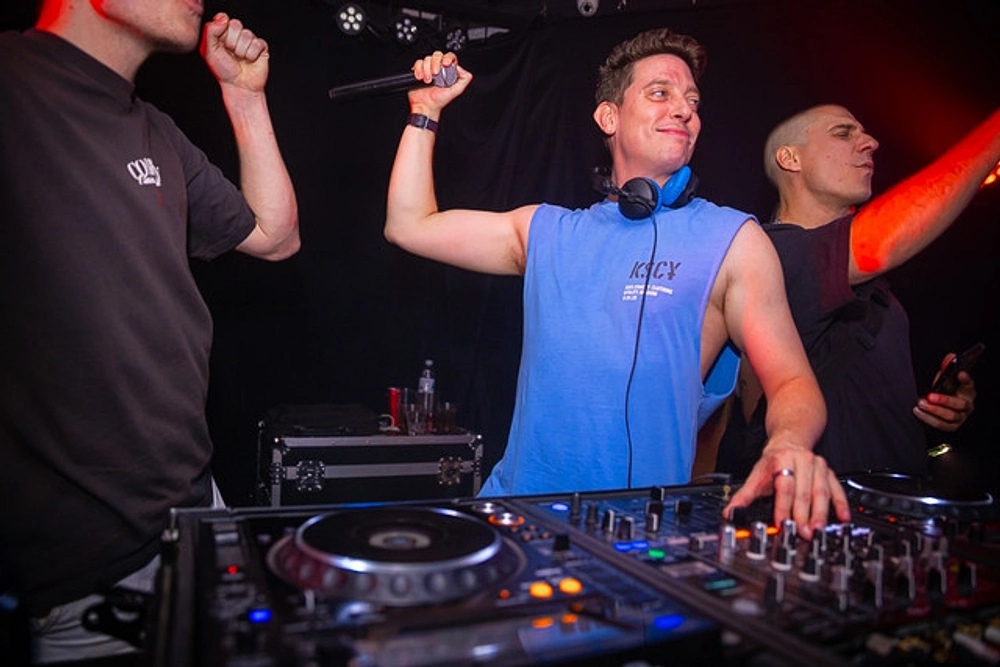
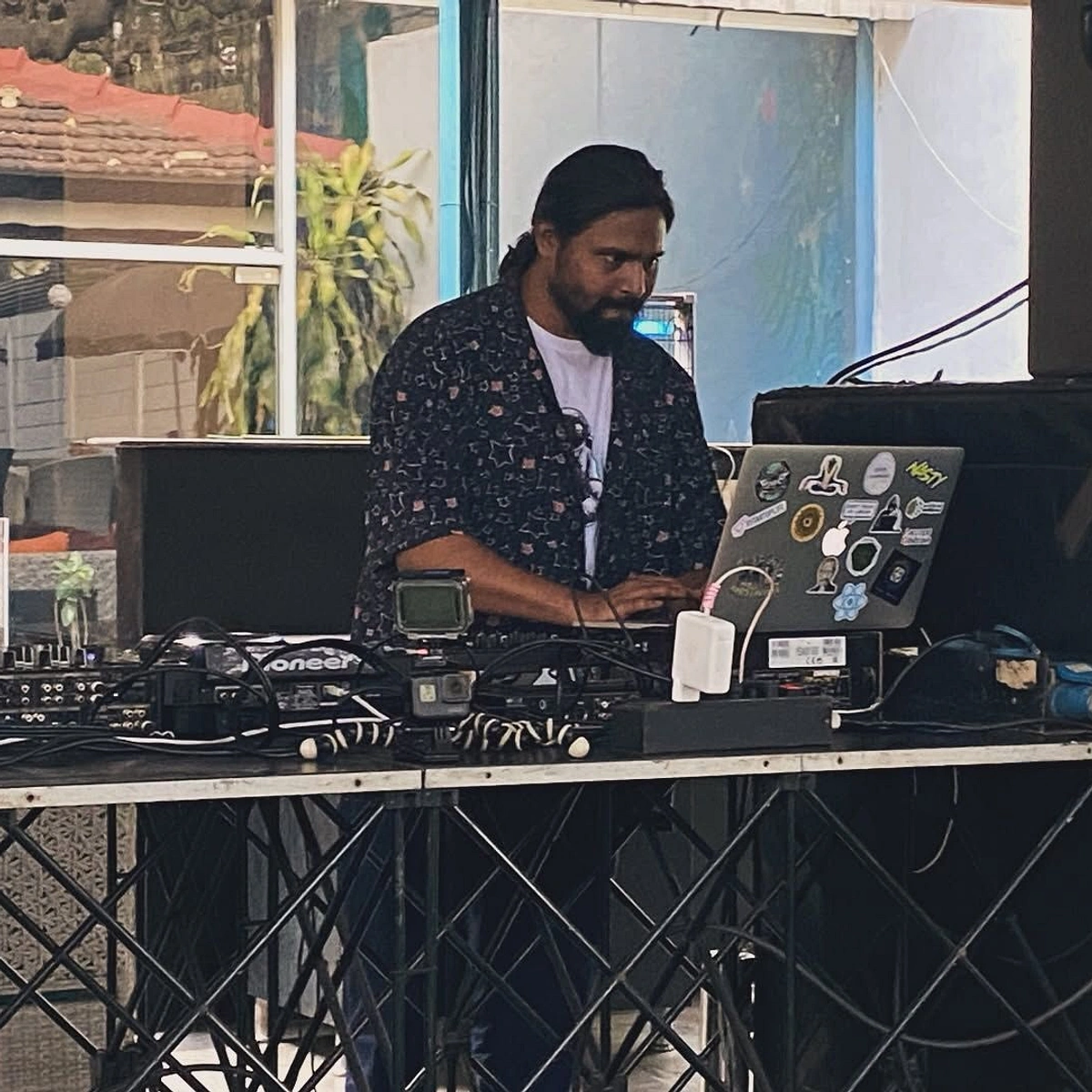
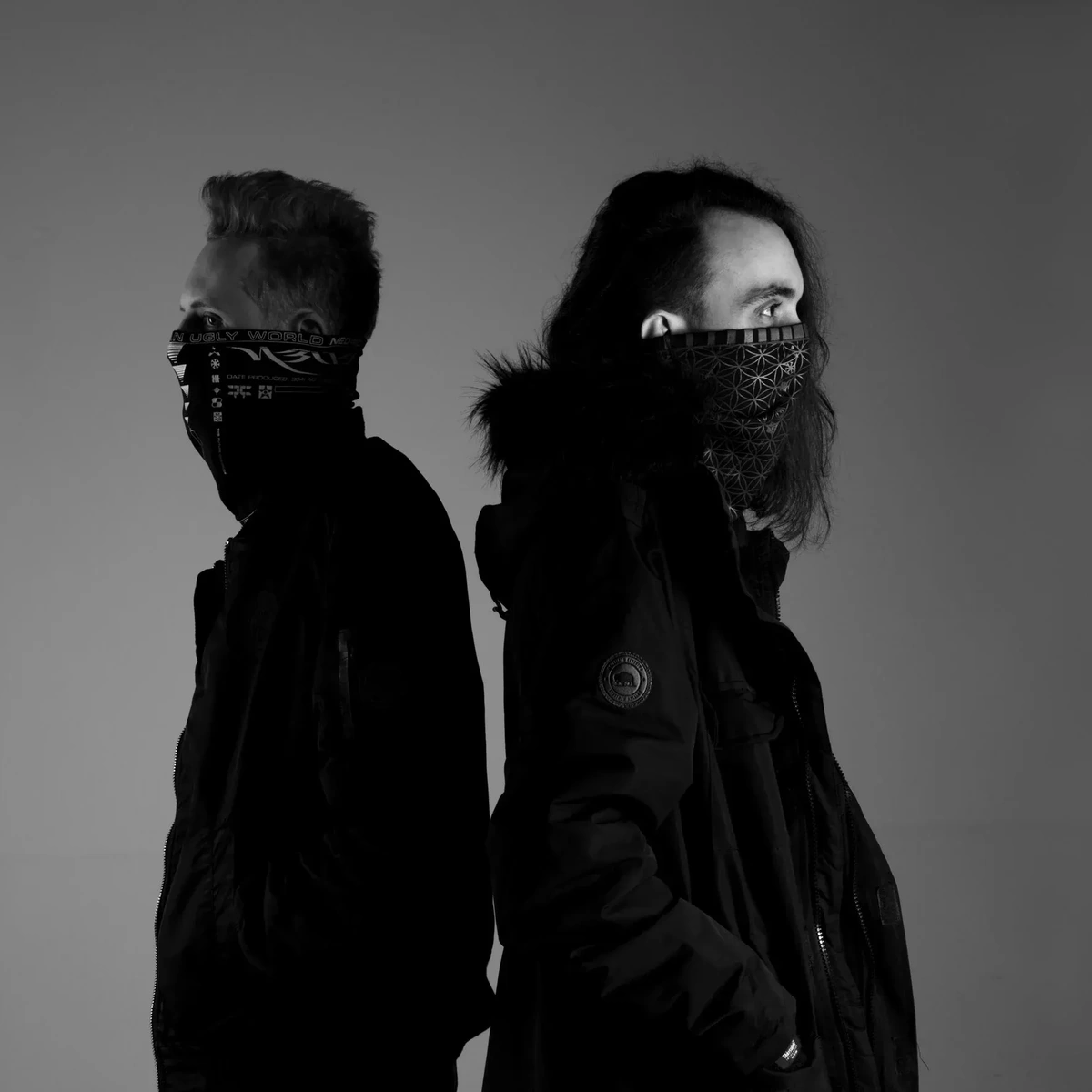
JSTR is Paul Heairfield. For more than 15 years he played other people’s records, reading rooms and building sets around their stories. His SoundCloud bio lists residencies at Adelaide venues including the Dog & Duck, The Alma, the Black Bull, the Woolshed and Fabric Nightclub. It also mentions interstate gigs in Melbourne, the Gold Coast and Sydney.
In 2026 he started releasing his own music, beginning with the debut single Echoes In The Dark on 13 February. Back To Almost followed five months later. His own description of it is precise: a melody-driven UKG record about a relationship that never fully began but still proves impossible to leave behind. That tension is also the brief for the production. It has to carry the feeling without draining the energy, so it works on headphones and still lands on a floor.
The early numbers suggest the balance holds. By early September the single had passed 26,000 streams on Spotify. In addition, Adelaide’s Fresh 92.7, the city’s community station on 92.7 FM and DAB+, had given it support. That is familiar ground for him, because his mixes have aired during the station’s SYNERGY show.
The DJ years matter here, too. A working DJ learns what a room responds to long before learning how to make a record. As a result, the choices of tempo and form feel deliberate. At 138 BPM the track slots into the faster end of a garage set without any pitching. At three minutes and 37 seconds, it is also radio length, so it works on air as well as in a mix.

Adjacent Acts From Disclosure to Fred Again and Who Back To Almost Suits
The closest reference points are British, because the form is. Disclosure remain the clearest example of garage rhythm serving a proper song. Back To Almost follows that order of priorities: the rhythm moves the body, and the vocal carries the story.
Fred Again is the second useful comparison. His Actual Life 3 won the Grammy for Best Dance/Electronic Album. His records set emotional vocal fragments against club production, and that is the balance JSTR is chasing: feeling first, energy close behind.
The third is Sammy Virji, a British DJ and producer. His early work sat in bassline before he moved into UK garage, and his single If U Need It reached the UK singles chart. Like JSTR, he works as both DJ and producer, so his records carry the priorities of someone who tests music on a floor.
So who is Back To Almost for? First, UK garage and dance listeners who want a vocal they can follow. Second, DJs building garage sets who need a vocal record at the upper end of the tempo range. Third, playlist curators and radio programmers looking for an independent track at a radio-friendly length. Listeners in Australia, the UK, the US, Canada and New Zealand who follow new dance producers will also find a name worth adding.
Start with Back To Almost, then go back to Echoes In The Dark to hear where the project began. Played in that order, the two singles show a producer settling on a sound.
ElectronicMusic.News’s curator team:
“What we like is the discipline of the tempo. At about 138 BPM the track sits right where a garage set wants to go next, and at three minutes and 37 seconds it still behaves like a song. That is a DJ’s decision as much as a songwriter’s, and it is why we would play it in the first hour rather than save it.”
Stream JSTR Back To Almost and Follow Him Across Platforms
Stream Back To Almost on Spotify and Apple Music.
Follow JSTR across platforms: Spotify, SoundCloud, Linktree, Instagram, TikTok, and Facebook.







About The Author