Synthesis by Erik Schilke: Why Field Recordings From the Woods Work as Beats
A Montreal-Trained Bassist Turned Grief and Fire-Pit Recordings Into a 2021 Hymen Records Debut
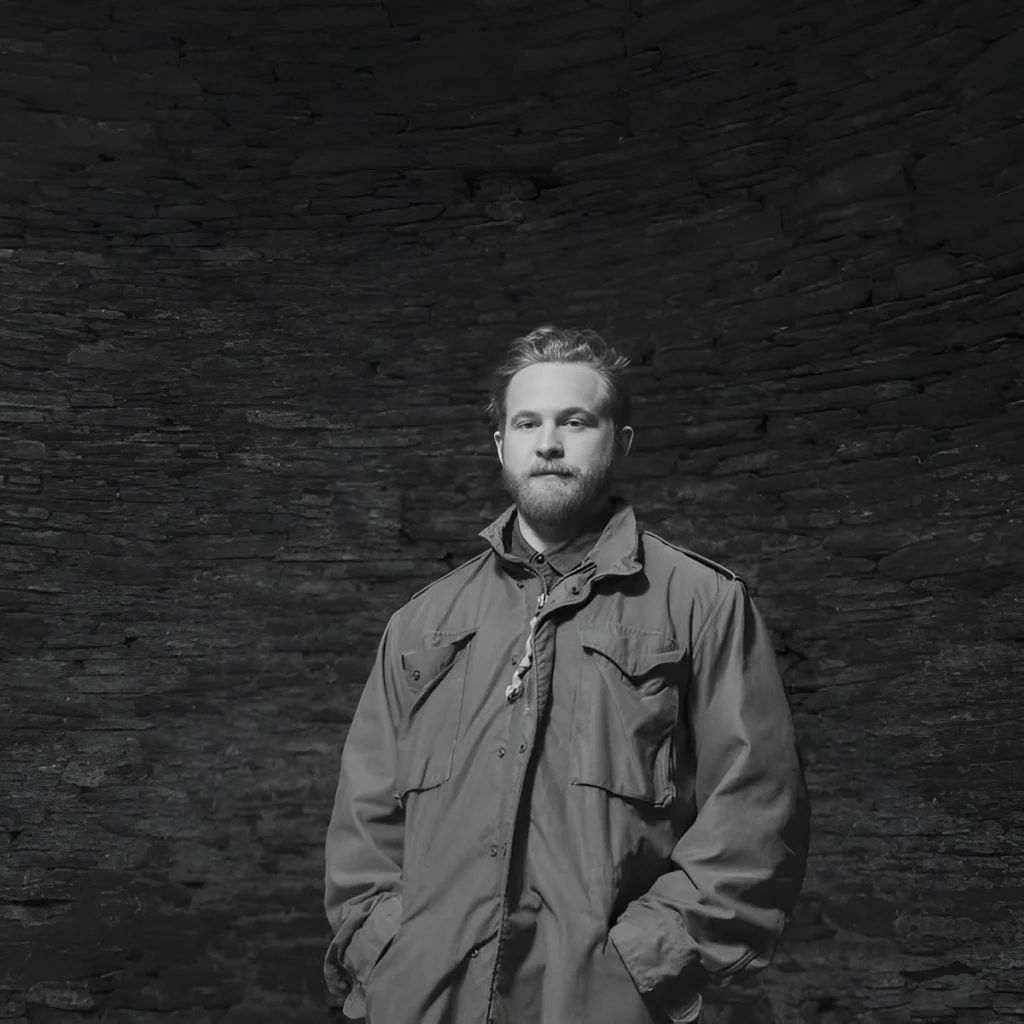
A recorder, a fire pit and the Connecticut woods supplied the raw material for Synthesis by Erik Schilke. Hymen Records released the album on 3 February 2021. Its nine tracks grew out of recordings of birdsong, coyotes and crackling embers, synthesised to mirror electronic beats. The subject is grief.
Erik Schilke’s title track is in the playlist below, filed with the downtempo selections. Synthesis reached this desk through PopHits.Co Music Charts, which verifies independent artists and places their releases across its network of music news desks. Cue it up on a decent system, then carry on reading.

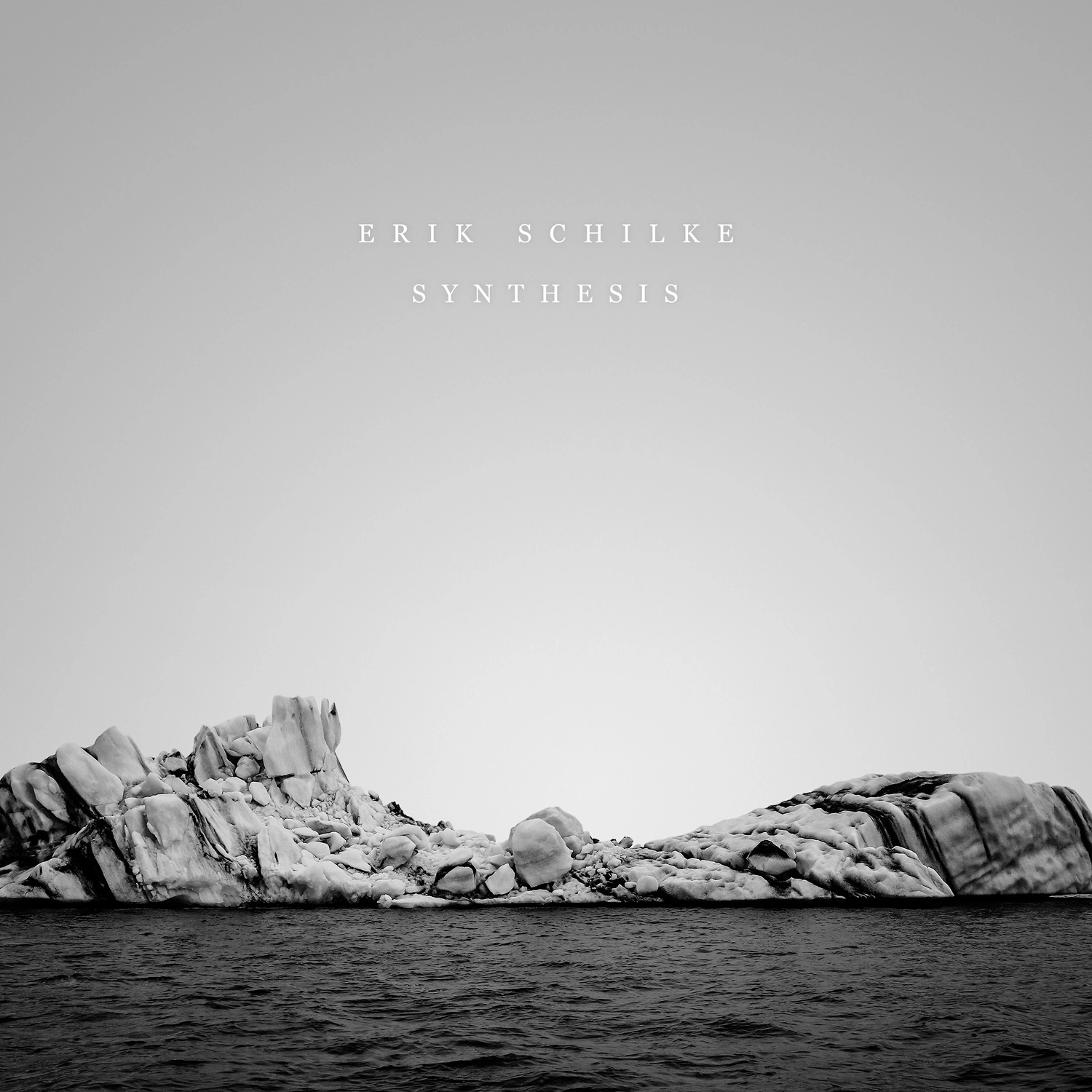
Synthesis by Erik Schilke and the Glitch Lineage Hymen Records Has Carried Since 1997
Hymen Records started in 1997 as a sister label to Ant-Zen, the German imprint run by Stefan Alt. Alt has tied its start to a moment when part of techno turned experimental and industrial noise turned technoid. Later, The Day called it an established home for ambient and dark techno. Schilke picked the label himself after listening to its artists. So the fit was chosen, not assigned.
The wider current reaches back further. In the early 1990s, Aphex Twin‘s Selected Ambient Works 85-92 showed that beat-driven electronics could work as home listening. Later in the decade, glitch producers treated digital errors as raw material rather than faults. Both ideas still shape how this lane programmes rhythm. The kick is optional, the edit is the instrument, and space counts as much as sound.
The tags on the album’s label page read like a map of that current. Alongside ambient and electronica sit IDM, downtempo, breakcore and dubstep. That is a wide spread for one record. Schilke’s own framing is broader still: ambient, avant-garde electronic and dance-floor rhythm in a single fusion.

Where Erik Schilke Fits
Schilke grew up in Ledyard, Connecticut, in a musical family. He played piano, trumpet, guitar, drums and bass, and sang in choirs. He then studied classical upright bass at McGill University’s Schulich School of Music in Montreal. Over roughly a decade in Montreal, he found his voice as a solo electronic artist.
Erik Schilke began Synthesis after moving back into his childhood home in the autumn of 2016. He was waiting on Canadian permanent residency at the time. Back in the woods, he heard sounds he had not noticed in years. So he recorded almost everything: birdsong, coyotes at night, the fire pit and even his dog. Afterwards he synthesised those recordings to mirror electronic beats and added software instruments. For example, the crackling on Memory Breath comes straight from a recording of embers.
The grief is specific, too. His father, Peter, retired from the Navy and then worked as an engineer. He died in 2018, and Schilke kept writing the songs that became Synthesis afterwards. Meanwhile, the description Schilke wrote for the label ties the album to the patterns of nature. In other words, those patterns become a way to make sense of loss. The record moves from the senselessness of grief toward the idea that nothing is ever really lost.
Titles From Shakespeare and a Philosopher
The track titles carry that idea. Airy Nothing and Local Habitation share their words with a speech in Shakespeare’s A Midsummer Night’s Dream. There, Theseus says the poet’s pen gives to airy nothing a local habitation and a name. Similarly, Solastalgia borrows a word the philosopher Glenn Albrecht coined in 2005. It names the distress of watching the place you live change around you. That fits a record made in a childhood home by someone caught between two countries.
The running order moves in long and short strokes. Jam to Everything opens at 6:30, and Temporal Rush is the tightest cut at 3:32. Solastalgia sits fourth at 8:52, directly ahead of the title track. Then Echo Tear runs past seven minutes before Memory Breath closes the set.


Adjacent Acts From Boards of Canada to Jon Hopkins
Boards of Canada are the nearest reference point for the nature side of the record. The Scottish duo took their name from the National Film Board of Canada, whose nature documentaries they grew up watching. Likewise, Synthesis starts from the natural world. However, it points that material at loss rather than childhood memory.
Jon Hopkins is the second reference. Like Schilke, Hopkins came to electronic production through classical training. In his case, that meant piano at the Royal College of Music’s junior department. Accordingly, Side-Line Magazine picked out piano arrangements on Synthesis in its review. That is the same habit of bringing an acoustic instrument into electronic programming. The review also heard abstract ambient, glitch in the programming and sampled female voices on some tracks. It singled out Solastalgia, Echo Tear and Temporal Rush.
The album found a place in year-end listening as well. Indeed, post-ambient lux ranked it at number 30 in its Best Ambient of 2021 list.
Who Synthesis by Erik Schilke Is For
For a club desk, Synthesis by Erik Schilke is a record for the edges of the night. The downtempo and ambient pieces suit a warm-up set or the last hour. That is where a DJ wants the tempo to fall away without the room going cold. Temporal Rush, at 3:32, is the most compact way in. Meanwhile, Jam to Everything carries the propulsive, almost train-like rhythm that The Day heard in it.
Listeners who came up on 1990s IDM are the natural audience, as are Hymen regulars. So are newer listeners in the US and beyond who want electronic artists with something specific to say. Start with Solastalgia if you need a single track. Then play it in order on SoundCloud or your usual service, since the long pieces work as one arc.
From the Curator Team: “Synthesis works because the sound design stays intricate without crowding the subject. Glitch detail, piano and ambient space share the mix. It gives its heaviest idea nine tracks and just under 53 minutes to resolve.”
Stream Synthesis by Erik Schilke and Follow Him Across Platforms
Stream and save Synthesis on Spotify, Apple Music, SoundCloud and Bandcamp. Watch the album teaser on his YouTube channel, or save it on your preferred platform. Keep up with Erik Schilke on Instagram, Facebook, X and LinkedIn. His film and theatre scoring lives on his official site.











About The Author