
Why Remote Collaboration Works on the Last Light EP by Magenta Dusk
A Nottingham Producer Built Five Synthwave Tracks at Home with Remote Vocalists
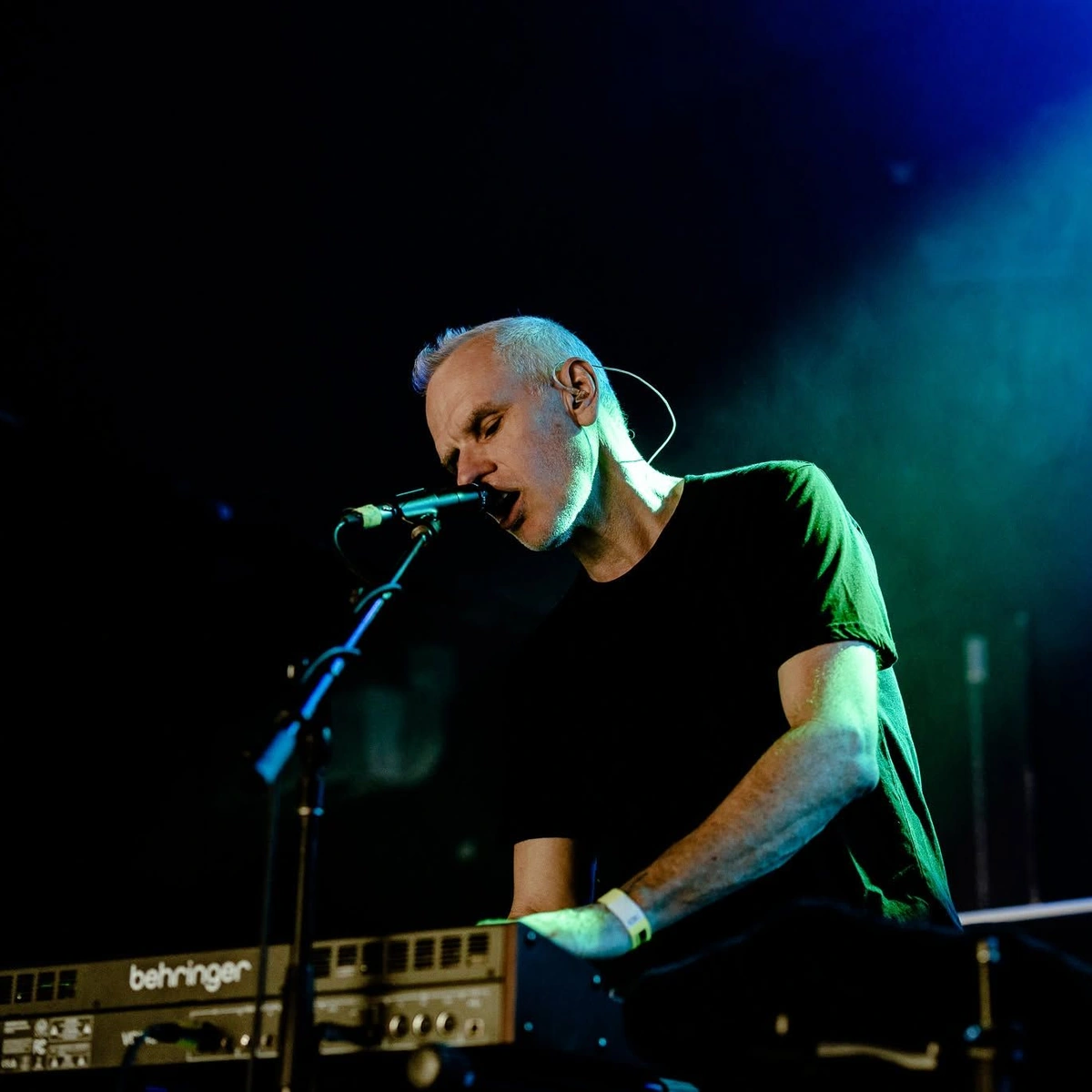
The room is a home studio in Nottingham, and the singers are somewhere else. Ross Swift builds Magenta Dusk that way: instruments at home, vocals recorded remotely. The method began in the 2021 lockdown. The Last Light EP, out on 23 February 2024, is the result: five tracks of synthwave-tinted dream pop and alternative pop.
Magenta Dusk’s Time, the single that introduced the Last Light EP, sits in the playlist below. Each Magenta Dusk feature across the network is listed on the project’s artist profile. The EP came to ElectronicMusic.News through PopHits.Co Music Charts, which verifies independent artists and places their releases across its network of music news desks. Put it on, then read on for how Ross Swift built the record.

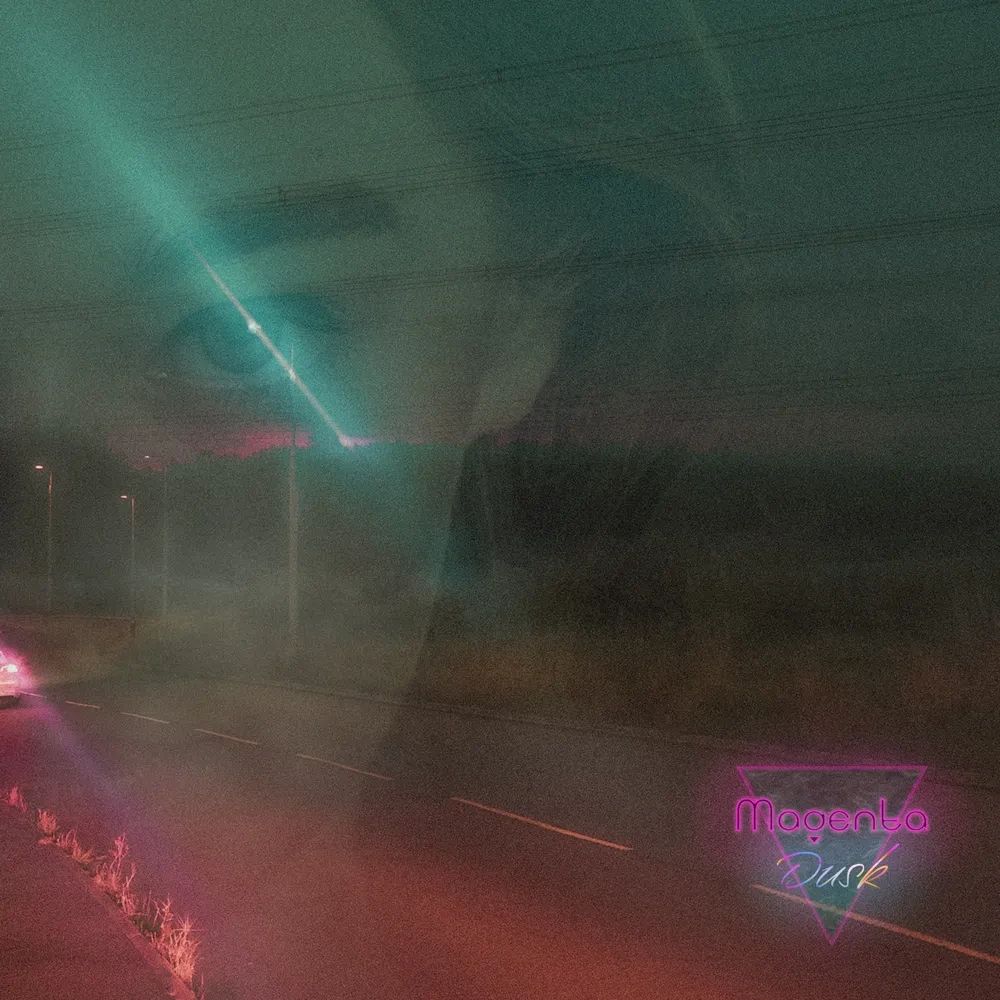
Synthwave Grew From the Drive Soundtrack Into the Home-Studio Genre Behind the Last Light EP
Synthwave started as an online scene in the late 2000s. Producers rebuilt the sound of 1980s film scores and synth pop in modern software. The 2011 film Drive then carried that sound to a much wider audience. Its soundtrack made retro synths and a cool, distant vocal into a recognisable style.
The working model followed the sound. One producer at a desk makes most synthwave, with a computer, a few synths and some reference records from 1983. Vocals, when they appear, often come from guest singers who record their parts elsewhere and send them back. As a result, the genre treats long-distance collaboration as normal practice rather than a compromise.
That model suits a lockdown project. It also suits the balance of the Last Light EP. The record pairs dark, 1980s-style synth arrangements with pop melodies that lift rather than brood.

Ross Swift Started Magenta Dusk in a 2021 Lockdown and Built the EP Around Remote Vocalists
Before Magenta Dusk, Swift played in Nottingham’s band scene, on stages around the country with several projects. The solo project began in 2021, during lockdown, with a debut single that year. Two years later, York Calling listed the references behind it: Philip K Dick, Columbo and the 1980s. Its musical influences include Elliott Smith and Electric Youth.
The EP’s lead single, Time, shows the method clearly. “I recorded the song at home in Nottingham, working remotely with vocalists in the US and Europe,” Swift explained in comments published by Our Sound Music. The same review heard a classic 1980s sound of synths and bass. Above it, the lyric urges the listener to leave the past behind.
The track list runs Blinded, Close To Never, Youth, Time and Edgelands. Time and Close To Never came out first as singles. Blinded dates back to 2021, while Swift wrote the rest over a couple of months in 2023. Swift also intended the five songs to share themes and work as a set, while each still stands alone.
The EP arrived through Leafless Tree Records. Its review in York Calling confirmed that Swift made the whole record this way, with vocalists in the US and Europe. A few days later, Obscure Sound heard dreamy synth pop that meshes retro and modern appeal. It singled out the glistening synths and buzzing bass on Blinded.
The tracks reached radio too. Several received airplay on BBC Music Introducing in the East Midlands and on daytime shows at BBC Radio Nottingham. Meanwhile, The Wild Is Calling put Time on its best new synthwave list. In March 2025, an instrumental edition followed with an extra track, Miles Away. Swift plans a larger body of work for 2027.

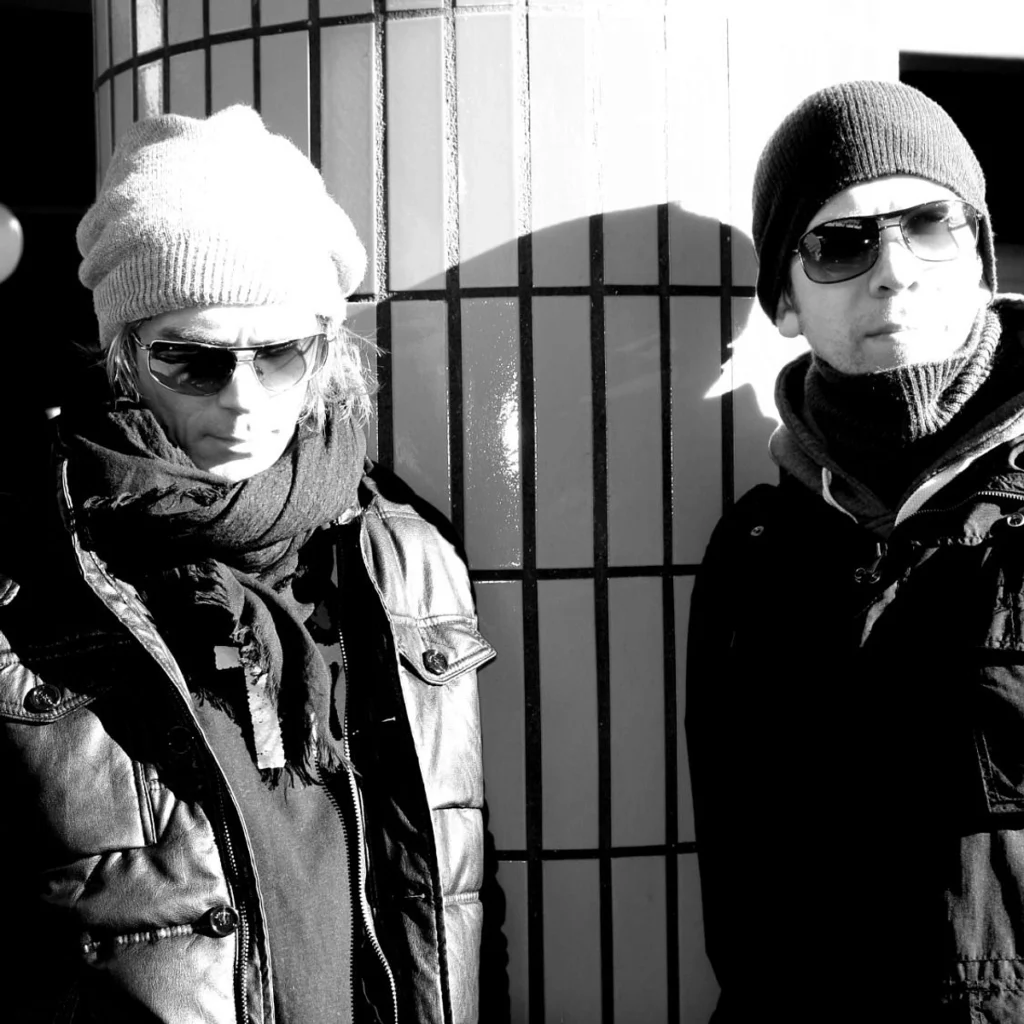
Electric Youth, Timecop1983 and M83 Map the Retro Synth Lineage Around Magenta Dusk
Three acts help place the EP for listeners new to Magenta Dusk.
Electric Youth is the direct influence. The Canadian duo sang A Real Hero, one of the defining tracks of the Drive soundtrack in 2011. That record set a clear female vocal over warm, slow synths, which is close to the balance on Time.
Timecop1983 is the closest model for the working method. The Dutch producer has built a large catalogue of retro synth pop, often with guest singers handling the vocals. The Wild Is Calling named the act as a reference point for Magenta Dusk. The producer-plus-guest-vocalist structure is the same.
M83 covers the dream pop side, and York Calling’s review of the EP listed the band among its touchstones. In 2011, the French act’s album Hurry Up, We’re Dreaming brought 1980s synth nostalgia into large-scale dream pop. Its single Midnight City led the way. The Last Light EP works at a smaller scale, yet it aims at the same mix of nostalgia and lift.
Who Should Play the Last Light EP, and Where to Follow Magenta Dusk
The EP suits listeners who keep synthwave, retro synth pop and dream pop in rotation. It especially suits anyone who prefers melody over aggression. It also works as an entry point before the larger release planned for 2027.
From the ElectronicMusic.News curator team: “The remote method works because the arrangement comes first. The guest voices on the Last Light EP settle inside the synths rather than sitting on top of them. That keeps the 1980s darkness and the pop lift in the same frame.”
The EP is also on Apple Music and Amazon Music, and the instrumental version sits alongside it on Spotify. Hear the Miles Away single on Bandcamp too, and visit the official website.
Follow Magenta Dusk across platforms: Spotify, Bandcamp, SoundCloud, YouTube channel, Linktree, Instagram, TikTok, X and Facebook.






About The Author