The Croptal Variations Album and Its Eight Rebuilds of One Piano Theme, Explained
An Israeli Producer Sets One Piano Theme Against Strings, Synths, Taiko and Tape
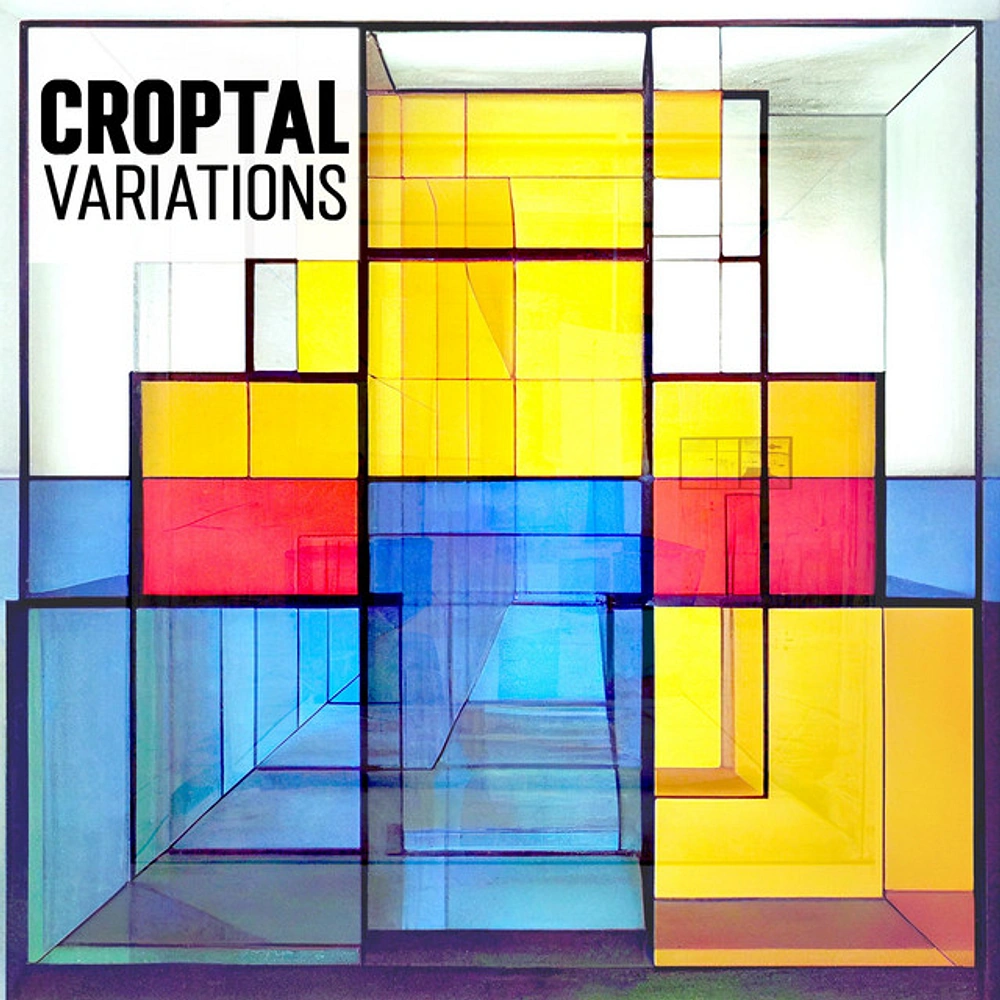
Croptal recorded the piano and the strings for Variations in a single short session in Budapest. He then took the samples home and ran them through an analogue four-track tape recorder, a computer and synthesisers. Released on 13 January 2023, the Croptal Variations album is a nine-track set of electronic, classical and acoustic music built from one piano theme and eight rebuilds of it. The English folk singer Maddy Prior is featured on Blacksmith.
Croptal’s Variation IV (Electronic) sits in the downtempo and trip-hop playlist below. More on Croptal is collected on Croptal’s artist profile. Variations came to us through PopHits.Co Music Charts, which verifies independent artists and places their releases across its network of music news desks. Put it on, then read on for how Croptal rebuilt one piano theme eight times.

Classical Variation Form Meets Electronic Production on the Croptal Variations Album From Israel
The theme and variations is one of the oldest working methods in classical music. A composer states a short idea, then rewrites it again and again. The harmony, the tempo, the instrumentation or the mood changes, while the listener follows the original through every change. For example, Bach’s Goldberg Variations and Beethoven’s Diabelli Variations are the textbook cases.
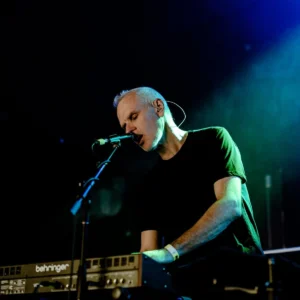
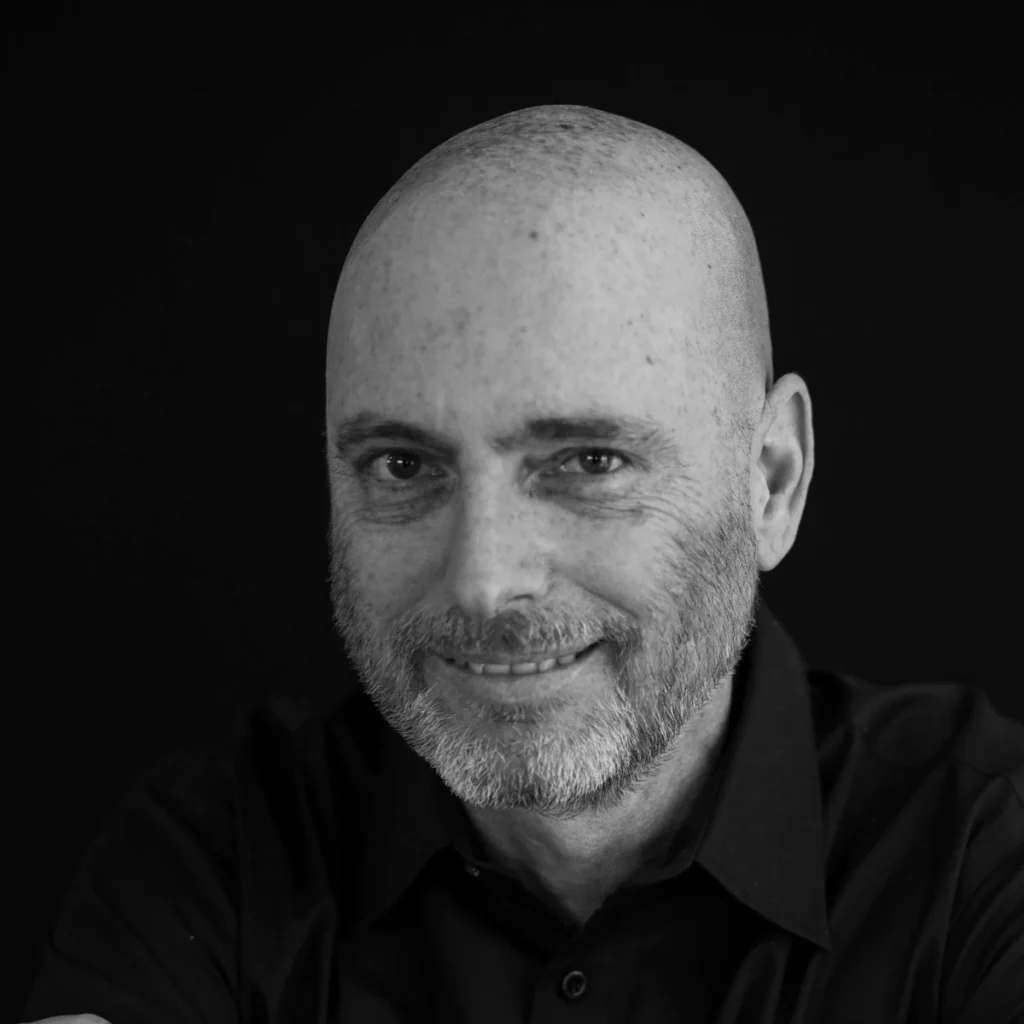
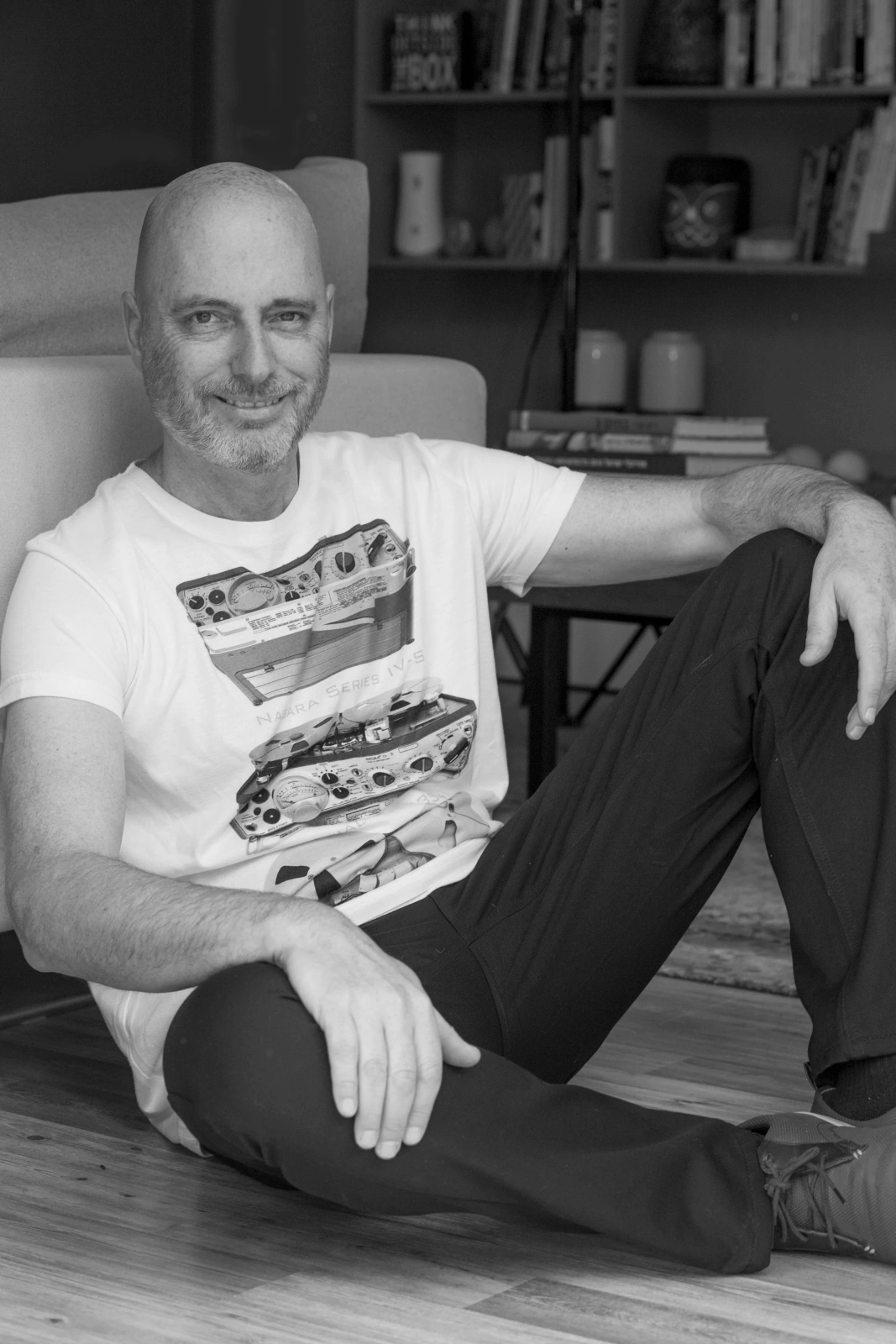
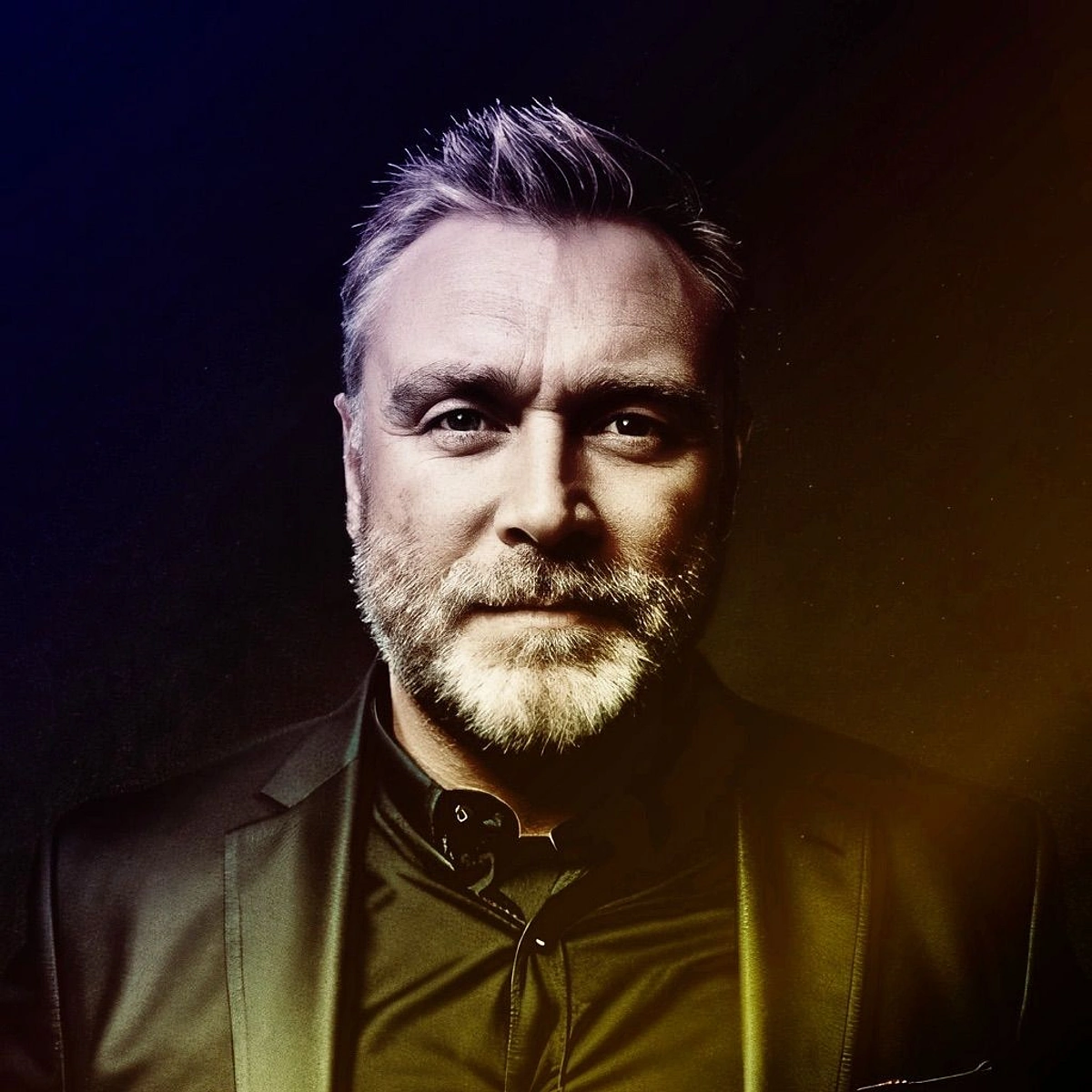
Tal Yaniv is the Israeli musician and producer behind Croptal. Speaking to Lost in the Manor, he named Bach, Beethoven and Bartók as his models. He described variations as the format that lets a listener hear the composer at work.
Electronic music has its own version of that habit. Labels routinely issue a dance record as a dub, an extended mix, a radio edit and a stack of remixes. Each one reworks the same stems for a different room or a different hour. Variations sits where those two traditions meet. Yaniv wrote the theme for piano and composed the first variation for a string orchestra. He then treated both recordings as source material for the electronic tracks that follow.
In fact, Yaniv is not new to records. He formed the Israeli rock band Avtipus with school friends. He told Illustrate Magazine that its 1995 debut topped the charts and went platinum. His solo career came later, after years of film scores and jingles, and Variations is his second solo album. The project name joins Tal with “crops”, a rough translation of his Hebrew surname.

One Budapest Session, Four Months of Tape and the Taiko Take Two Tracks Share
The credits are specific. The Budapest Scoring Orchestra played Variation I (Strings) with Yaniv conducting. Bobák Bence engineered both the orchestra and the opening Theme (Piano). Yaniv composed, performed, recorded, produced and mixed the rest himself. He told Lost in the Manor that the album took four months. By his account, the production, more than the writing, used up the time and resources.
That production is where the album rewards close listening. Fragments of the piano theme recur through most of the tracks. The string variation returns later as a sample, most audibly in Variation VIII (Finale). One taiko drum recording, played by György Halmschlager, runs under both Variation VI (The Smithy) and Variation VII (Blacksmith). Two consecutive tracks therefore rest on the same drum performance.
In addition, other players widen the palette. Caroline Joy sings lead on Variation III (Piano Trek III). Variation V (Woodwinds) adds clarinet from Nadav Haber, flute from Miguel Vargas and double bass from Nikita Astrakhantsev.
Maddy Prior on Blacksmith
The guest most readers will recognise is Maddy Prior, the English folk singer best known for her work with Steeleye Span. Blacksmith is a traditional English song. Prior recorded a live a cappella version of it for her 2000 album Ballads and Candles on Park Records. Croptal built his arrangement around that existing vocal take, adding bass guitar from Sharon Holtzman and the taiko. Prior appears by courtesy of Park Records.

Mike Oldfield, Max Richter and Nils Frahm Are the Nearest Neighbours to Croptal and Variations
Mike Oldfield is the clearest line of descent, and Yaniv draws it himself. He told Illustrate Magazine that Tubular Bells was his biggest inspiration to start writing and recording his own music. Oldfield built that record largely alone, overdubbing one instrument after another. The connection runs through the details too. Oldfield returned to his best-known work with numbered sequels. Croptal does the same on a smaller scale. Piano Trek III continues Piano Trek I and II from his first album. Oldfield also brought Maddy Prior into his own records, which makes her appearance here a deliberate piece of lineage.
Max Richter works the other side of the same idea. His Recomposed project rewrote Vivaldi’s The Four Seasons for strings and electronics in 2012. In other words, it took a classical source apart and reassembled it with modern production. Variations applies that method to Yaniv’s own material. The classical frame stays in place while the synthesisers decide how far each rebuild travels.
Nils Frahm completes the picture from the piano stool. His records run the piano through tape machines, delays and synthesisers instead of leaving it as a finished acoustic sound. Similarly, Croptal runs his Budapest piano through a four-track tape recorder before the electronic tracks.
Where the Croptal Variations Album Sits in a Set and Where to Follow Tal Yaniv Online
For a dance desk, the useful question is where the album lands in a room. Strings, woodwinds and solo piano carry most of the arrangement. As a result, Variations works as listening material for the start or the end of a night, more than floor material. The exception is Variation III (Piano Trek III). Sinusoidal Music heard it as an electronic dance-pop track built on beats and vocal samples. According to the same review, Variation IV (Electronic) follows it with a calmer, more sober mood. That pairing is a compact lesson in transition. The theme gets its most club-facing treatment, then drops straight back down.
This is an album for listeners who keep neo-classical and electronic music in the same playlist. It also suits anyone who likes to hear how a producer reuses material. Fans of Oldfield’s long-form instrumentals will find a familiar thread in Blacksmith. Producers should listen with the track list open and follow one piano theme through strings, synths, woodwinds, taiko and tape.
ElectronicMusic.News curator team: “What holds Variations together is restraint in the source material. Croptal works from one piano theme and one string session. Every electronic rebuild has to earn its distance from them. That is the discipline a remix producer brings to a stem pack, applied to a classical form.”
Variations is also available on Apple Music.
Listen to Croptal on Spotify, Apple Music, Deezer, Bandcamp and SoundCloud, or watch on his YouTube channel. Follow him on Instagram, TikTok, X and Facebook. For the full catalogue, visit the official site.









About The Author