Dub-Eliever Followed Burnin' with Ten More House Singles in Four Weeks
A Belgian Producer Revisits Nineties House with a Three-Minute Single and a Fast Release Schedule
Burnin’ runs three minutes and twelve seconds. That is short for a house record. It sits closer to a radio edit than the long 12-inch mixes DJs once carried to the booth. The Belgian producer Dub-Eliever released Burnin’ on 26 October 2026. By 23 November, ten more singles had followed it.
Dub-Eliever’s music is in the playlist below, and the Dub-Eliever artist profile gathers the coverage in one place. Burnin’ reached this desk through PopHits.Co Music Charts, which verifies independent artists and places their releases across its network of music news titles. Press play, then read on for the ten singles that followed it.

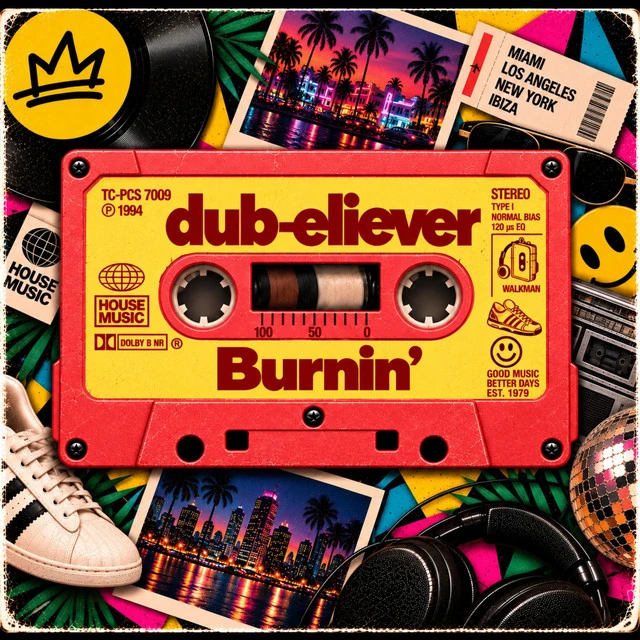
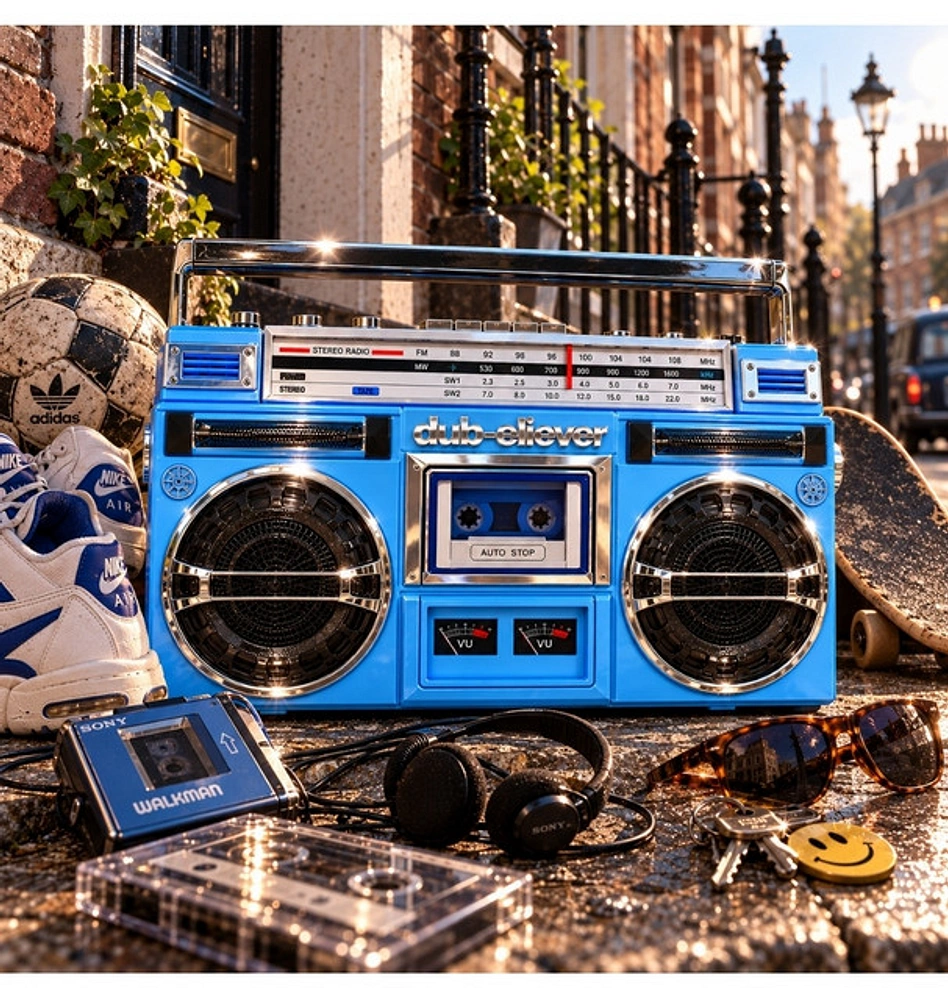
That pace is the story here, and so is the decade it points back to, the nineties. Dub-Eliever dresses almost every release as an old cassette tape. Burnin’ is a driving, euphoric house single, made to sit inside that run rather than apart from it.
Nineties House Never Really Left the Floor, and Belgium Has Supplied Club Records Since the Eighties
That decade is the reference point for a large share of the house music made now. But the format has changed more than the feeling. Pressing plants cut those records for DJs, long enough to mix in and out of. The culture around them also ran on clubs, compilation CDs and tapes copied from the radio. Today a producer revisiting the period releases digitally, in shorter edits. The look of the era comes along with its programming.
There is a club term inside the artist name, too. On nineties house 12-inches, the dub was the stripped mix. DJs reached for it to carry a transition, with most of the song taken out and the groove left running.
Belgium sits close to the centre of that history. The late eighties gave the country its own club style, New Beat. It started with records played slower than their pressed speed. R&S Records began in Ghent in 1984. Then it went on to release some of the most played techno and rave records of the next decade.

Where Dub-Eliever Fits, a Belgian House Producer Releasing Singles Like Burnin’ at Twice-Weekly Pace
Dub-Eliever reaches back to that decade from Belgium, and the catalogue sits right on top of those reference points. The Instagram bio says house music producer, and the release list backs that up in volume. After Burnin’ came 1 More Minute on 27 October and Won Your Heart two days later. All Night, After Hours, Raw, Keep It Coming and U Make Me Feel So High followed. Then came Passenger’s Side, Brothers By Choice and, on 23 November, Turn It Up (Da Bass). Next up is 1st August 95, due on 4 December.
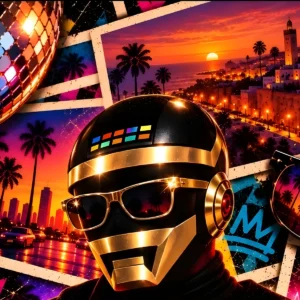
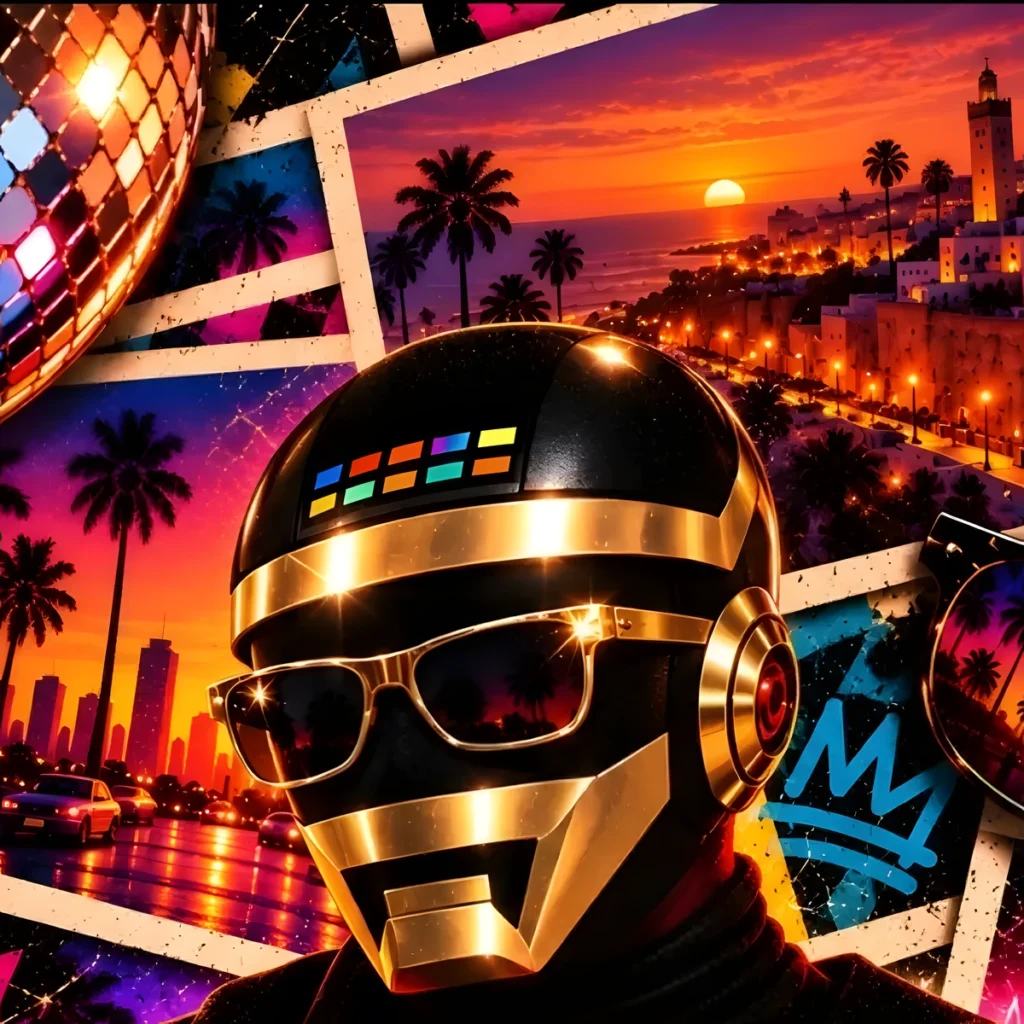
Most of those singles also arrive in the same artwork. HOUSE MUSIC runs across a tape shell, and a tracking card reads EST. 1979. The slogan Good Music Better Days sits on the label. Sunset postcards from Miami, Los Angeles, New York and Ibiza fill the background. A gold-helmeted figure appears across the profile as the face of the project.
The titles point at the same decade the artwork does. 92 and the coming 1st August 95 carry dates, like old DJ tapes. Da Groove came out as an EP with an 80’s Mix. Several releases carry the label name Auto-Reverse Trax, which shares its name with the cassette deck setting that turns a tape over by itself. Burnin’ belongs to that set, and at three minutes it suits a playlist as much as a club.

Frankie Knuckles, Daft Punk and Technotronic, the Acts Sitting Next to Dub-Eliever’s Burnin’
Those cassettes also say where the music comes from, and three names stand closest to it. Frankie Knuckles is the first. His residency at the Warehouse in Chicago began in 1977 and gave house music its name. Your Love, from 1987, set the template for the uplifting end of the genre. A nickname for one Chicago room now sits on Dub-Eliever’s tape art like a format logo.
Daft Punk come into it twice. Their 1997 debut album Homework already had a track called Burnin’. The gold helmet on Dub-Eliever’s profile also belongs to a visual tradition the French duo made famous. The duo made most of Homework in a bedroom studio in Paris, and it still travelled worldwide. Dub-Eliever releases the same way, independently and straight to the digital services.
Technotronic is the Belgian precedent. Pump Up the Jam came out in 1989 and reached number two in both the UK and the US. It showed that a club record made in Belgium could play everywhere. Dub-Eliever releases from the same country thirty-seven years later, through streaming rather than radio and record shops.
From the ElectronicMusic.News curator team: “We put Burnin’ in our House, Deep House, Tech House playlist, a room that opens on Frankie Knuckles. A three-minute house single earns that company by doing one job cleanly. The cassette design ties it to everything else Dub-Eliever releases.”
Back to that running time, then. Three minutes and twelve seconds would have been too short for a nineties 12-inch. But inside a catalogue that grows by two singles a week, it is the right length: long enough to land, and short enough to make room for the next tape.
Stream Burnin’ on Spotify and Apple Music. Follow Dub-Eliever on Spotify, Apple Music, Instagram and Threads to catch each new single as it lands.










About The Author