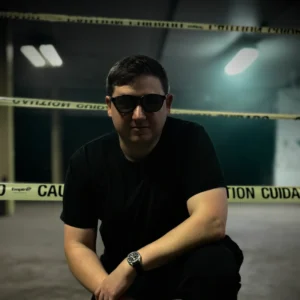

Bsnaxx Shows Why a Rolling 303 Line Still Works on ACID in the House
An Atlanta DJ Brings a Classic 303 Line to Peak-Time Tech House Programming
A 303-style acid line over a rolling tech house groove drives ACID in the House, the new Bsnaxx single. The Atlanta DJ and producer has aimed a pairing with almost forty years of club history straight at peak time.
Bsnaxx’s music is in the playlist below, and the full run of coverage sits on the Bsnaxx artist profile. ACID in the House came to this desk through PopHits.Co Music Charts, which verifies independent artists and places their releases across its network of music news desks. Press play on the playlist, then read on.

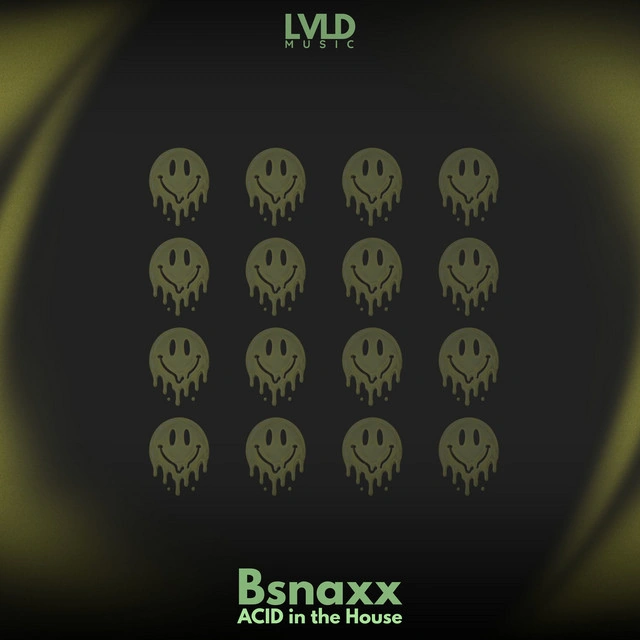
Why Acid Basslines Keep Returning to Tech House, From Chicago to Bsnaxx in Atlanta
The sound at the centre of this record started life as a commercial failure. Roland built the TB-303 Bass Line in the early 1980s to give guitarists a bass accompaniment. It did not sell. Second-hand units then ended up in Chicago. There, producers found that turning the filter cutoff and resonance while a pattern ran made a squelching, rubbery line. No bass player could copy it. Most histories point to Phuture‘s Acid Tracks, released on Trax Records in 1987, as the start of acid house.
Since then, the acid line has behaved like a tool that never quite goes back in the box. It powered the UK’s acid house summers of the late 1980s and drove harder acid techno in the 1990s. It has kept resurfacing inside house and techno ever since. Its appeal on a system is functional. Because a sequenced 303 pattern is short and repetitive, the movement comes from the hands on the controls. Push the resonance and the line starts to scream. Pull the cutoff back, however, and it sinks into the groove. As a result, a DJ gets a source of tension that can rise and fall across several minutes. No new element has to enter the arrangement.
Tech house has an obvious use for that. The genre runs on rolling low end and tight percussion that keep a floor locked in. It also tends to avoid long breakdowns. An acid line therefore gives that kind of track a second voice, something that moves while the groove holds still. Cheap hardware clones and software emulations have also put the 303 sound within reach of almost every producer. That helps explain why acid basslines keep turning up in current tech house and techno sets.

Bsnaxx Built ACID in the House for Peak-Time Sets After Breaking Out in the Early 2010s Rave Boom
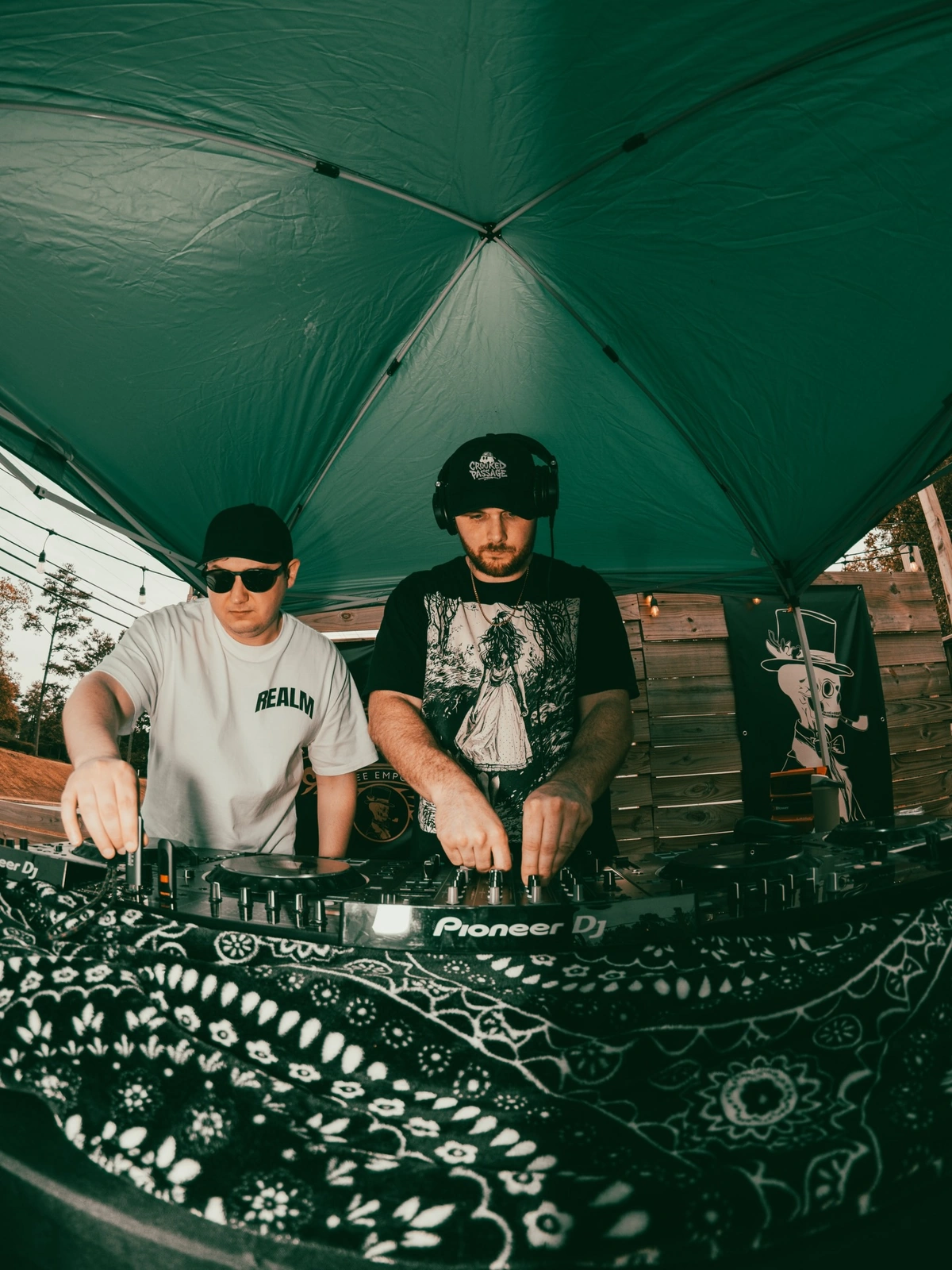
Bsnaxx came to the acid line through a different door. The Atlanta DJ broke out during the rapid rise of the U.S. rave scene in the early 2010s. At the time, dubstep was one of the loudest sounds on American festival stages. Bsnaxx built a reputation for high-energy sets that blurred the line between dubstep and house. The rebellious spirit of the 1990s underground runs through that story as well. Over the years that followed, the sound moved on. Bsnaxx now works across house, tech house, minimal and techno, built on rolling low end and relentless percussion. For a sense of the DJ side, the Kitchen Sessions Vol. 1 tech house mix is up on YouTube.
ACID in the House sits squarely in that current mode. The groove is classic rolling tech house, built on driving rhythms that hold the floor. The bassline, by contrast, reaches back to raw acid techno. Meanwhile, the production keeps the modern side crisp, so the old sound arrives through clean, contemporary club engineering. For a DJ, that matters. A track that bridges nostalgic acid house and a current tech house mix can sit between records from both eras. It does so without forcing an awkward transition.
In short, this is a record made for peak-time DJ sets. Behind the decks or in the studio, the artist’s stated purpose is moving crowds. It is also an independent release, with the focus that often comes with one. One groove, one bassline, one job on the floor.

Adjacent Acts From the First 303 Records to the Rolling Grooves Heard in Tech House Sets Today
Three reference points help place the track. First, listeners who know Phuture’s Acid Tracks will recognise the raw end of it. There, a 303 line runs long, and the movement comes from the filter rather than new parts. Second, Josh Wink‘s Higher State of Consciousness is the closer peak-time parallel. In that 1995 record, one acid riff climbs in intensity until it carries the room. The same logic of tension built from a single bassline applies here. Finally, the rolling, percussion-heavy grooves associated with Patrick Topping are a fair guide to the tech house underneath.
The comparisons describe a lineage rather than a template. Bsnaxx is an American producer from the dubstep and house crossover years. The new single borrows the oldest trick in the acid book and plays it with modern weight. It also arrives two months after Deep Groove, the July 2026 single covered in this desk’s earlier Bsnaxx feature. For listeners discovering new independent electronic music, ACID in the House is a clean way into that lineage. The same goes for anyone building a set around contemporary beat-driven productions.
ElectronicMusic.News curator team: “ACID in the House is built for two moments in the night. At peak time, the rolling tech house groove gives a DJ something solid to hold the floor with. In a late-night playlist, the acid line has enough character to carry the track on its own.”
Where to Stream ACID in the House and Follow Bsnaxx Across Every Platform
ACID in the House is out now. Stream the single on Spotify or Apple Music, then follow the Atlanta DJ for the next release.
Follow Bsnaxx across platforms: Spotify, Apple Music, SoundCloud, YouTube, Instagram, and TikTok.











About The Author