Why Stunnah Works as Short, Confident Dance-Pop From Codi Dillon and Manrelic
A Nashville Queer Pop Artist and Producer Manrelic Build a Night-Out Track About Confidence
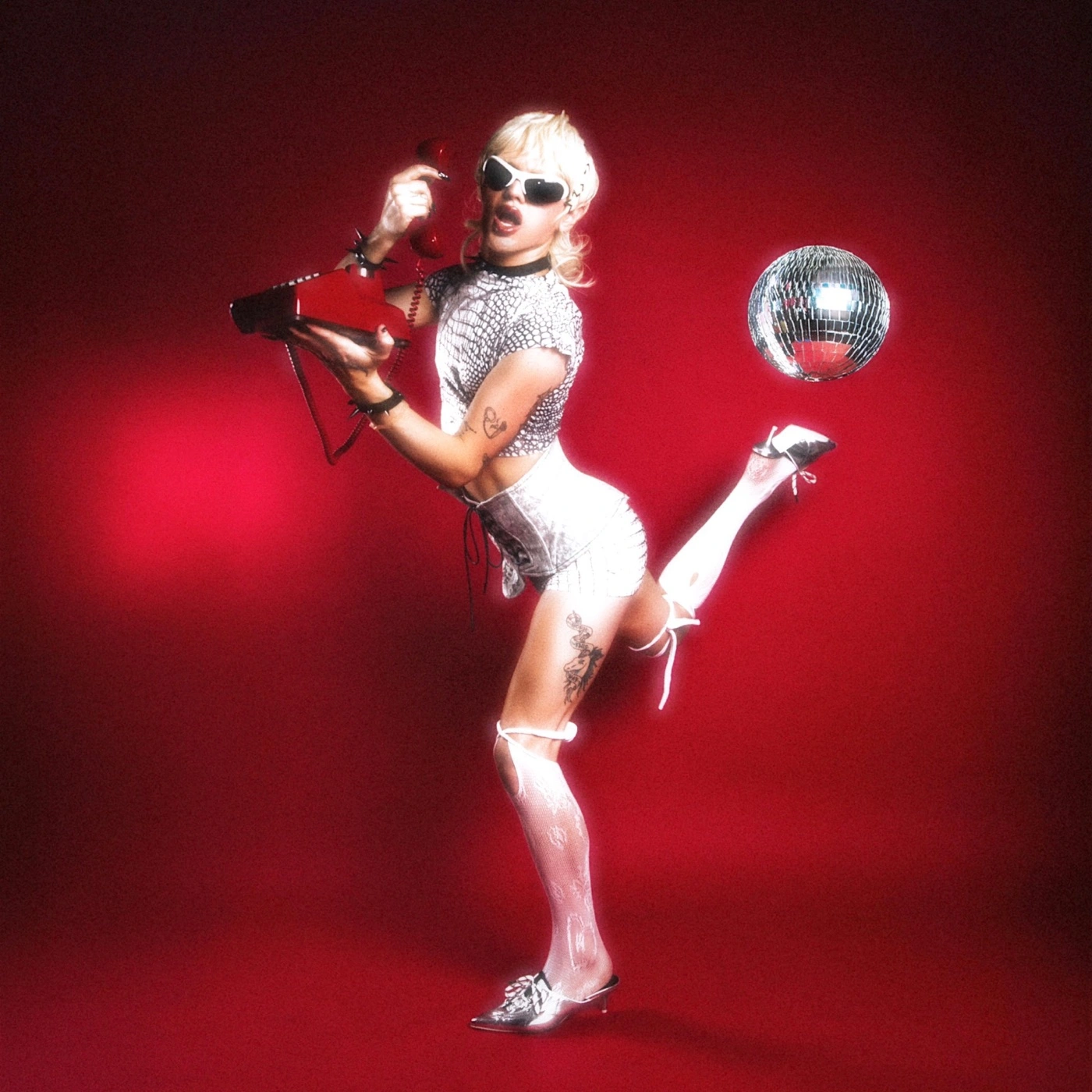
Stunnah runs 2 minutes 38 seconds, and in the artist’s own description it was made for the dance floor. Codi Dillon released Stunnah on August 29, 2025, a vocal dance-pop single produced by Manrelic with Codi Dillon co-producing. Its subject is the feeling of walking into a room as your most confident self.
Codi Dillon’s Stunnah sits in the playlist below, between the vocal dance and dance-pop it was built for. Their full coverage sits on the Codi Dillon profile. Stunnah came to this desk through PopHits.Co Music Charts, which verifies independent artists and places their releases across its network of music news sites. Hit play first, then read on for why it works.

Codi Dillon and Stunnah Sit in the Queer Club-Pop Wave Built on Confidence and Desire
The wave this single belongs to is queer pop that moved into the club. In 2023, Troye Sivan built the album Something to Give Each Other around the dance single Rush. A year earlier, Kim Petras had taken dark club-pop to the top of the charts with Unholy, the single with Sam Smith. Both records put desire and self-possession at the centre of the track, and the production does the rest.
That is the lane Stunnah runs in. It is short, built on a beat and a vocal, and it treats confidence as the whole story. It also carries a dream pop strand alongside the vocal dance and pop, which softens the edges of a track otherwise aimed squarely at the floor.
Codi Dillon comes to that wave from Nashville, where the artist is based, and from a long run of releases. The debut album COLLUSION arrived on September 18, 2020. A steady line of singles followed, from Killer Baby Doll in 2021 through FAB, Angel, Text Back and FETISH, to All The Time in 2024 and Skinny Pill in February 2025. Stunnah then came six months later.

Where Codi Dillon Fits in That Wave
The artist’s own account explains the fit. In a 2026 interview with Bold Journey, Codi Dillon described growing up in the South and feeling out of place. The music, Codi Dillon said, now turns those moments into connection. The same interview placed the sound between modern pop, electronic beats and dance influences. It also named a pull toward contrasts: light and dark, soft and edgy, vulnerable and strong.
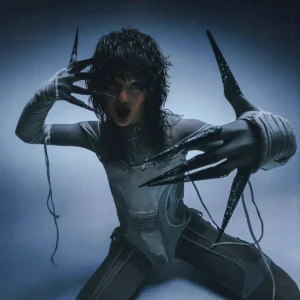
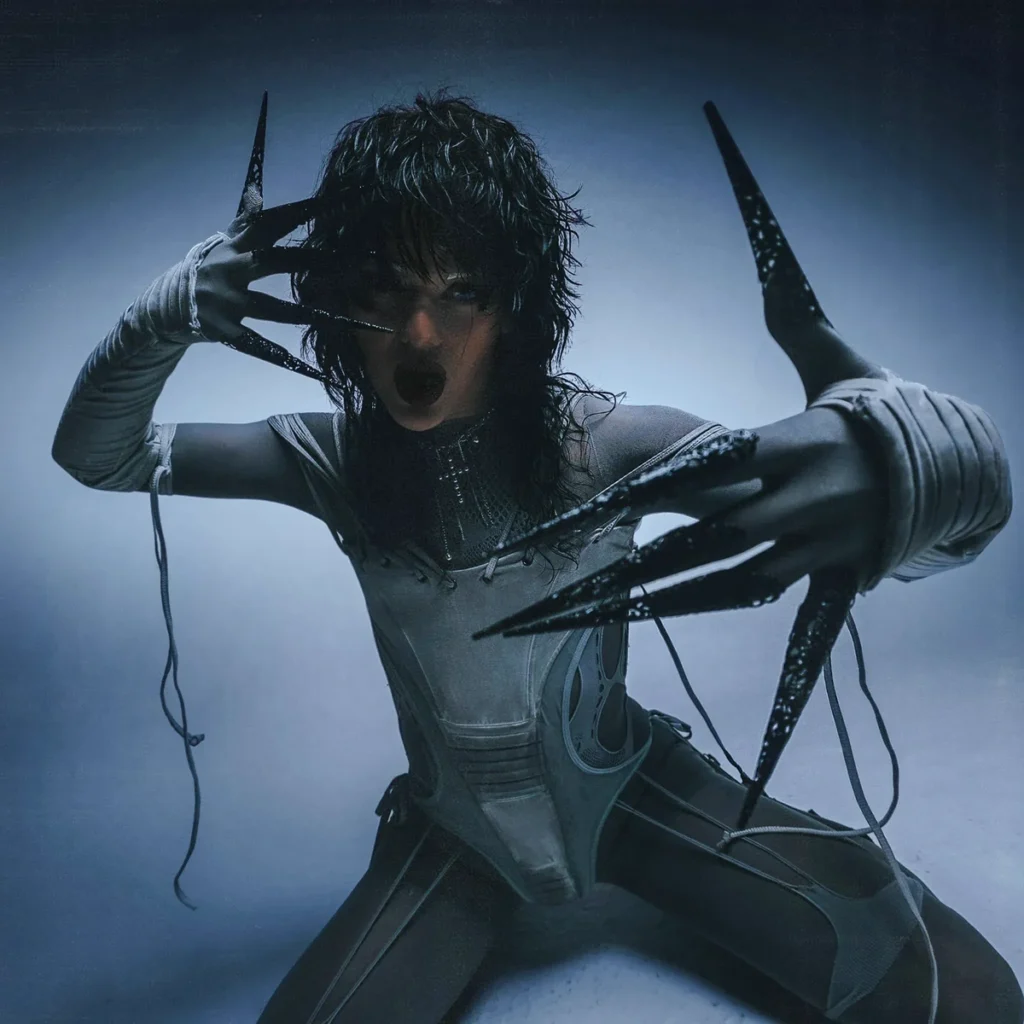
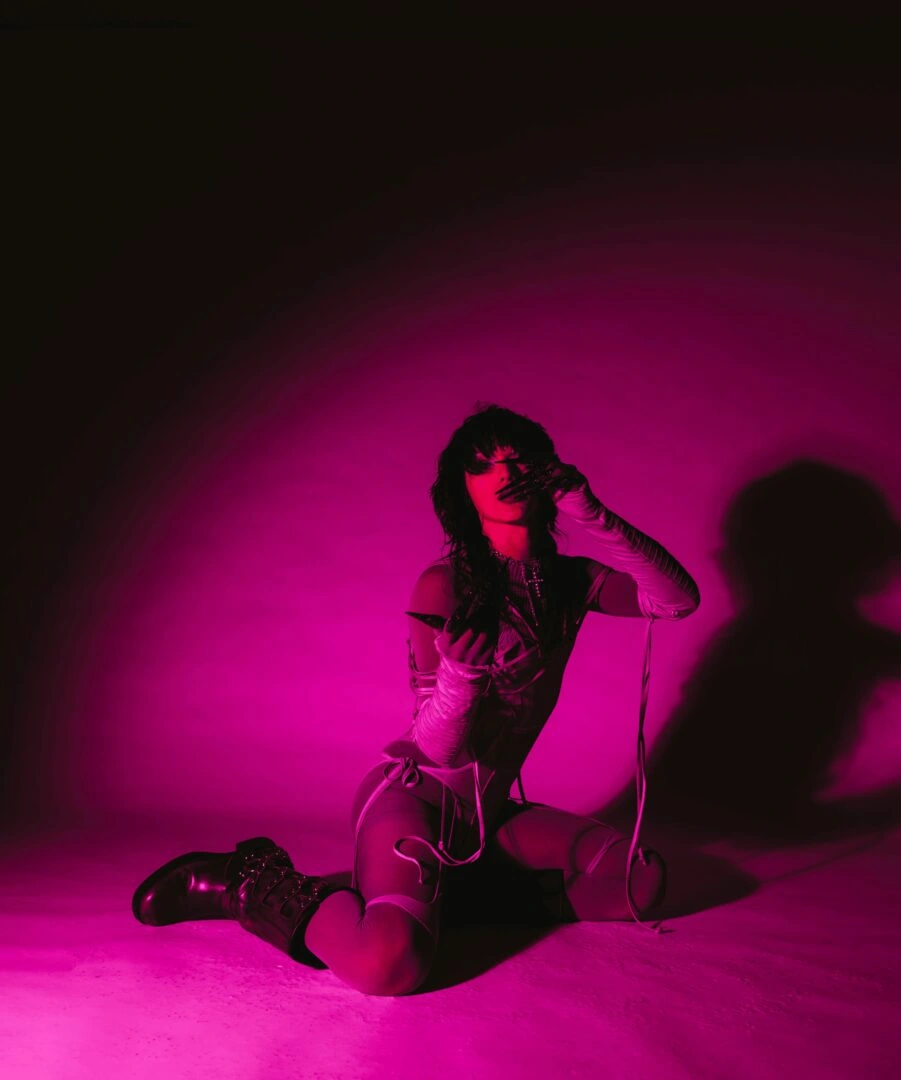
Visually, the references are high fashion and futuristic design, and Codi Dillon talks about building eras rather than one-off releases. The artist’s SoundCloud profile adds the job titles that explain the styling: queer pop artist, stylist and creative. That matters for a club-pop record, because the image and the track are meant to arrive together.
Stunnah is the confident end of that range. On the release page, Codi Dillon frames it as a sultry track about tapping into your most radiant self, carried by its beat and a commanding energy. The idea is knowing you could have anyone in the room, and the artist is careful to say it comes from magnetism rather than ego. In other words, it is a getting-ready record and a walking-in record at once.

Listeners Who Found Club-Pop Through Troye Sivan and Kim Petras Will Hear Where Stunnah Lands
For a DJ or a playlist editor, the useful comparisons are the two above. Rush showed that a queer pop vocal could lead a club record without losing the hook, and Stunnah is built the same way, with the vocal out front. Similarly, Unholy showed how far a dark, sultry club-pop production could travel. Stunnah shares that sultry register at a smaller, independent scale, with the artist co-producing.
The dream pop strand points somewhere else, too. It ties Stunnah to the softer side of electronic pop, the side that values atmosphere and melody over pure impact. Consequently, the single suits listeners who like their dance-pop melodic and a little hazy as much as it suits a peak-time floor.
That makes Stunnah a fit for listeners who want melodic, atmospheric vocal dance-pop, for queer club nights, and for anyone building a playlist for the hour before going out. Its length helps as well. At 2 minutes 38 seconds, it slots easily between longer club tracks in a set.
Who Wrote and Produced Stunnah
The credits are short. Codi Dillon wrote Stunnah with Jared Park and co-produced it, while Manrelic handled the production. Manrelic has been releasing music since 2015, with a self-titled album in 2016 and the singles Stronger and Thunder and Lightning in 2018. As a result, the track pairs a pop writer and stylist with a producer who has a catalogue of releases behind the desk.
In the Bold Journey interview, Codi Dillon also said collaboration sits at the centre of what comes next, especially with queer producers and co-writers. That next chapter is already on record. Want What I Can’t arrived on April 24, 2026, and the artist describes it as a deeper, darker and more refined pop sound about desire and tension. A new single, CHAOS, is announced for October 30, 2026. Heard in that order, Stunnah is the bright, confident point before the turn.
From the ElectronicMusic.News curator team: “Stunnah commits to one idea, confidence, and gives it 2 minutes 38 seconds. That length makes it an easy record to place between longer club tracks, and the co-production credit shows an artist steering the sound as well as singing it.”
Stream Stunnah and Follow Codi Dillon on Spotify, SoundCloud and Every Other Platform
Stream Stunnah on Spotify, Apple Music and SoundCloud, or play the official audio on YouTube.
Follow Codi Dillon on Instagram, TikTok, X, Facebook and the YouTube channel, where the short videos for each new single land first.










About The Author